
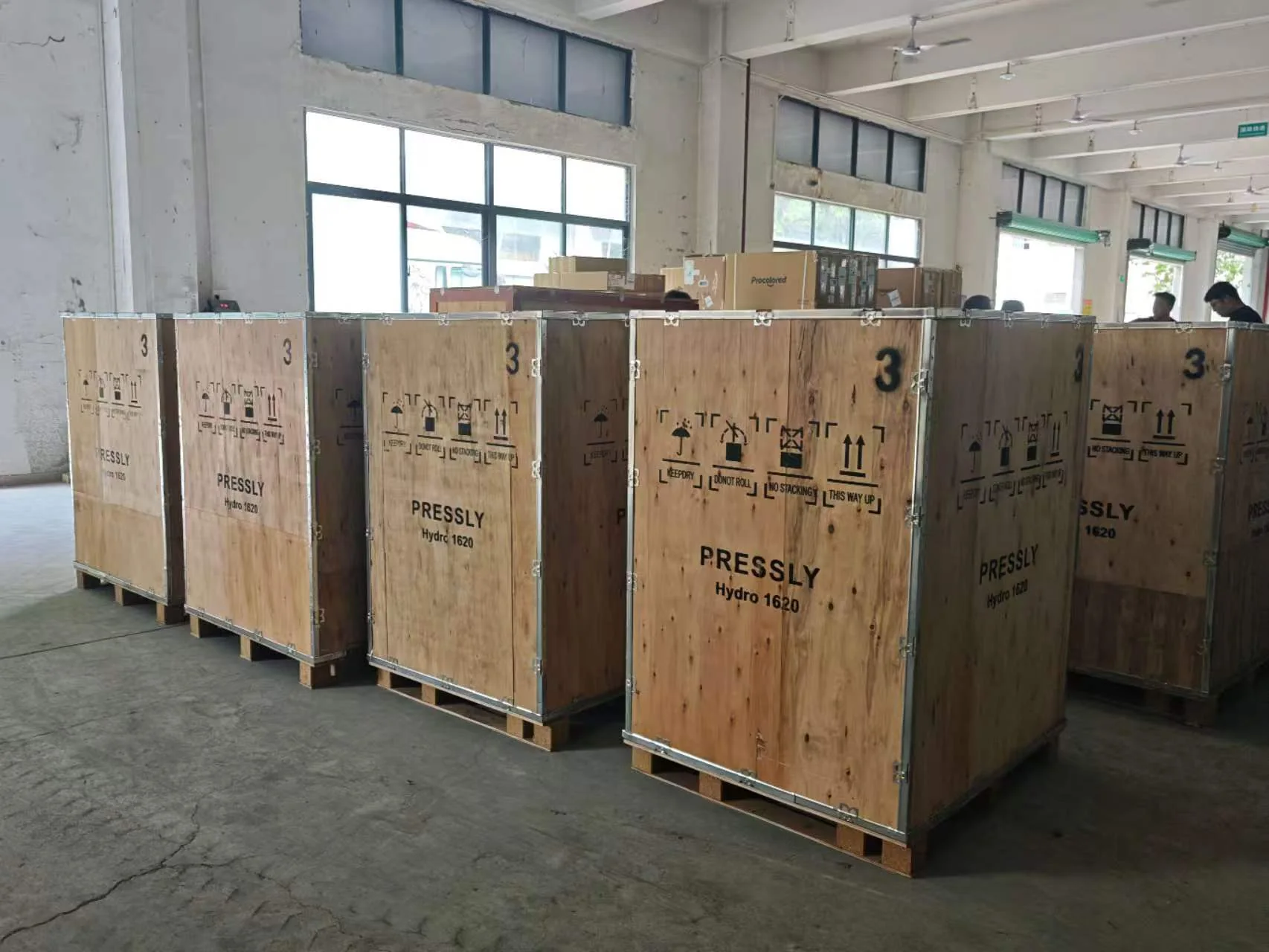
LED display freight combines oversized handling with product-specific review. Packed dimensions, modular configuration, power supplies, batteries if any, fragile surfaces, shock protection and site access all affect routing and price.
The decision
Start with a system-level cargo list rather than the words LED screen. Separate cabinets, modules, receiving cards, control equipment, power supplies, spare parts, mounting structures and flight cases or crates. State clearly whether any package contains a battery, magnet, liquid, wireless device or other attribute that needs carrier review.
Build the quote from final packed data. Record the length, width, height, gross weight, piece count, declared value and stackability for every package type. A modular video wall can look compact in a product specification but create many fragile, high-value packages after flight cases, foam and pallets are added.
Execution details
Packing needs to control vibration, impact, moisture and concentrated pressure. The screen face, cabinet corners, connectors and protruding parts should not carry external load. Crates or flight cases also need a stable base and usable forklift entry. Raw-wood packaging must follow the applicable destination requirements.
Compare LCL and FCL by handling exposure as well as freight. LCL may fit a smaller installation or spare-module order, while a larger wall can benefit from a sealed container and a planned loading sequence. Cargo value, insurance scope, non-stackable space and destination handling should be included in the comparison.
Pre-shipment check
Define the delivery site before booking. Exhibition halls, retail stores, stadiums, warehouses and installation sites have different appointment, access, liftgate, forklift and waiting-time conditions. The importer and broker should also verify product descriptions, classification, value, origin and any market-specific compliance data before shipment.