
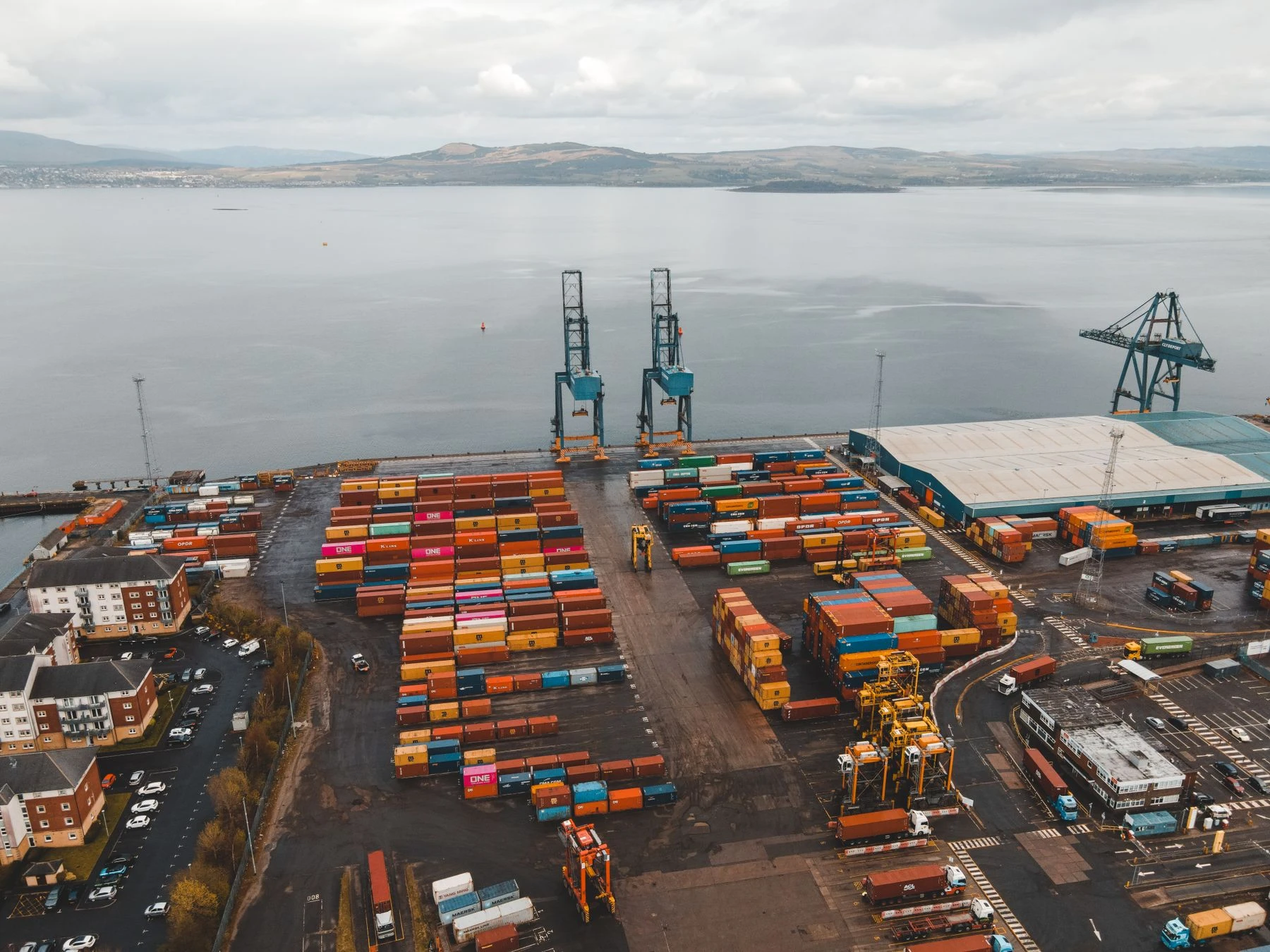
Strong throughput can coexist with efficient operations. A booking decision needs current carrier and terminal information, as well as the warehouse receipt date; the headline alone cannot establish congestion.
The reported figures
The Port of Los Angeles reported on September 9 that August throughput reached 955,907 twenty-foot equivalent units (TEUs). More than 2.9 million TEUs crossed its docks during June, July and August, a record for three consecutive months. The reporting period is summer 2026, not September. [1]
The monthly table shows August total volume down 0.26% year on year and loaded imports down 0.84%. TEUs standardise container capacity and include loaded and empty equipment in the total. They are neither parcel counts nor a direct measure of retail demand. [2]
Interpreting the record
The port attributed the summer performance in part to early holiday shipments. [1] That context helps explain the timing of cargo flows. It does not establish the freight rate, terminal waiting time or space availability for a particular departure.
For a US replenishment order, compare complete routes to the receiving location. An ocean transit advantage can be offset by a missed rail connection or an unavailable delivery appointment. Request the nominated carrier, terminal, onward transport arrangement and current cargo-availability assumptions.
Planning year-end receipts
Start with the date inventory must be received and available for use. Work backwards through the warehouse appointment, inland delivery, cargo release, ocean leg, export handling and factory readiness. Assign a buffer to the actual uncertainties in that chain rather than applying the same delay to every shipment.
Document the booking’s free time, storage exposure, appointment rules and unloading requirements. Keep schedule revisions in the same file as the receiving instructions. These are planning recommendations; the port’s volume release does not impose new obligations on importers.
PUBLIC REFERENCES